by Charles Knight, 05 July 2026. First published as a guest post at Van Jackson‘s Un-Diplomatic, ➪ full-text of PDA version: PDF
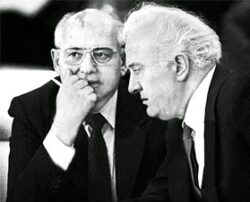
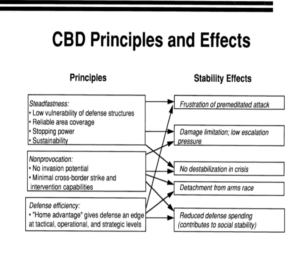
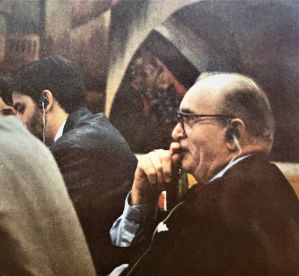
This retrospective focuses on the work of one researcher/thinker from West Germany, Lutz Unterseher. It follows the migration from West to East of his thinking and writing (and that of a network he organized) to Mikhail Gorbachev’s key foreign policy advisers. Once there, this work likely played a role in shaping the particulars of one of the Soviet leader’s most consequential foreign policy decisions.
The story is told less for its historical value than for its value to all who work on the construction of new ideas.
- In what circumstances do new ideas get noticed and made use of by powerful persons and institutions?
- What types and levels of idea development are most likely to gain the attention of national leaders who tend to be relentlessly pragmatic?
- What did the author of this retrospective learn while writing this article?
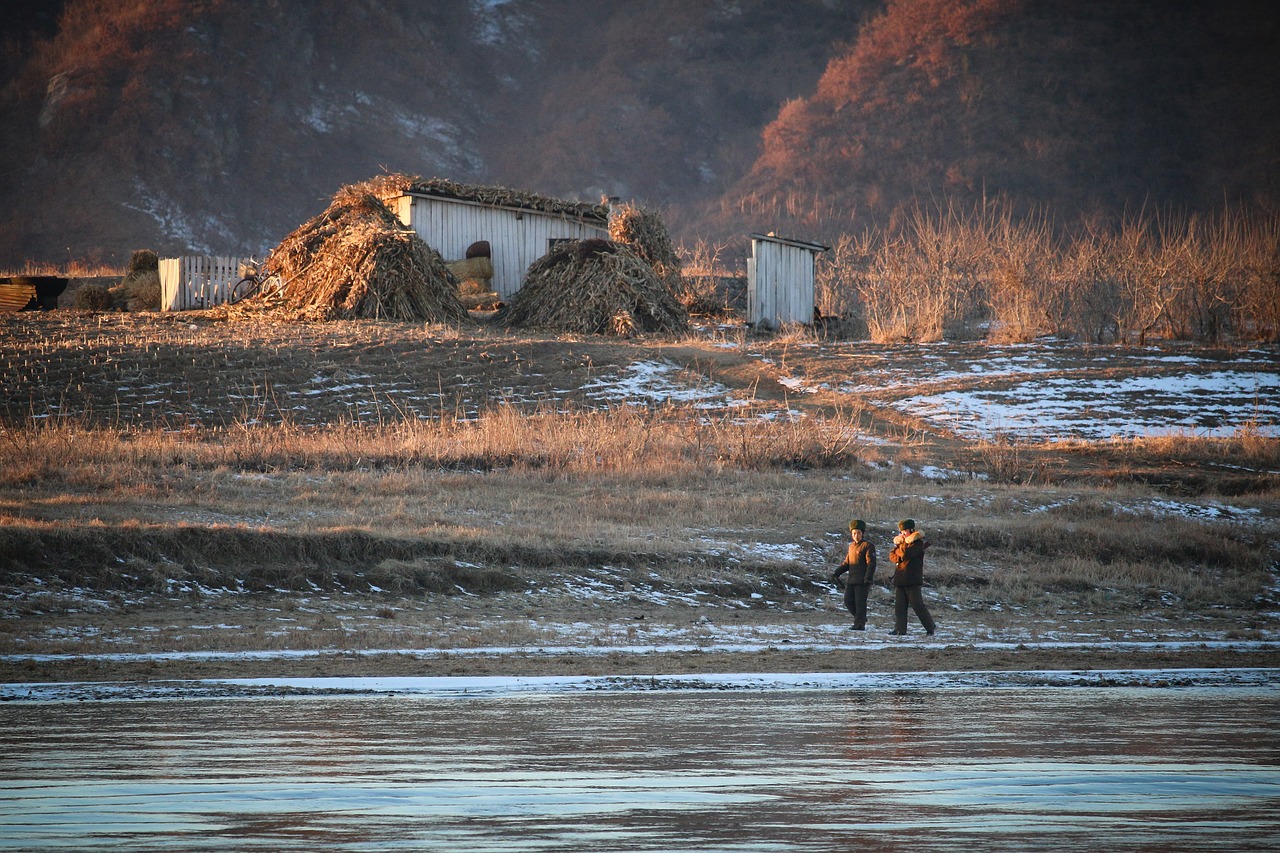
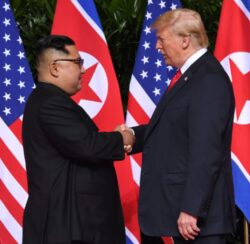
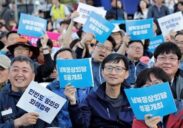
 The April 27, 2018 Inter-Korean Summit was a visibly cordial event. At its conclusion, North and South Korea released a Declaration of Peace, Prosperity, and Unification. This paper reviews a selection of key sections and phrases in ‘The Declaration’ with attention to understanding their implications for the goal declared by both parties of ending ‘division and confrontation’ on the peninsula and for addressing the overhanging issue of denuclearization. Notably, both parties strongly assert their rights as Koreans to take leadership in this task.