
by Lutz Unterseher, PDA Guest Publication, April 2019.
➪ PDF
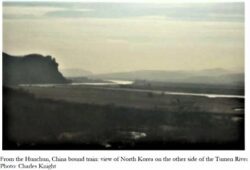
This paper by German military analyst Lutz Unterseher first assesses the relative conventional military power and potential of North and South Korea, then suggests a number of military restructuring steps the U.S. and South Korea can take to reassure North Korea of its security in the context of denuclearization. Unterseher calls for “…a genuine structural change, shifting the capabilities of the [allied] forces in the direction of a stable, non-provocative defense.”
If we can assume that the drive to generate unconventional [nuclear] instruments of deterrence is a response to the lack of options in the conventional realm, it would make sense to come up with policy recommendations aiming to lessen northern concerns.
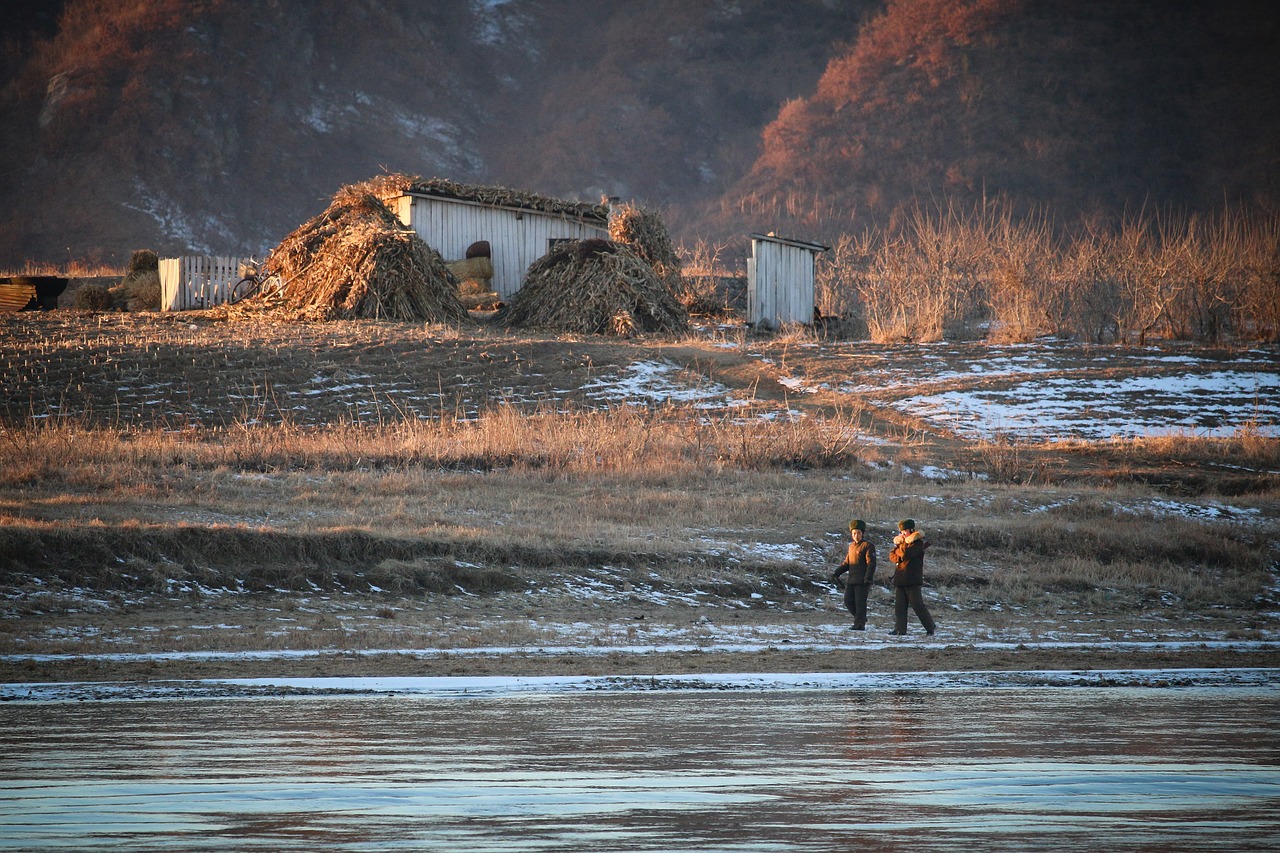
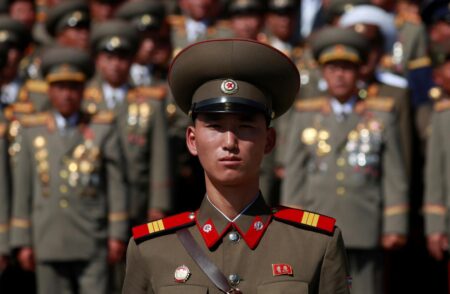
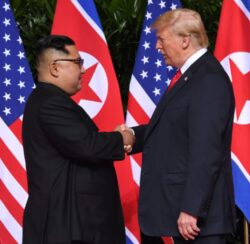
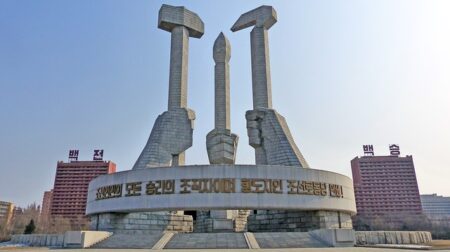
 The April 27, 2018 Inter-Korean Summit was a visibly cordial event. At its conclusion, North and South Korea released a Declaration of Peace, Prosperity, and Unification. This paper reviews a selection of key sections and phrases in ‘The Declaration’ with attention to understanding their implications for the goal declared by both parties of ending ‘division and confrontation’ on the peninsula and for addressing the overhanging issue of denuclearization. Notably, both parties strongly assert their rights as Koreans to take leadership in this task.

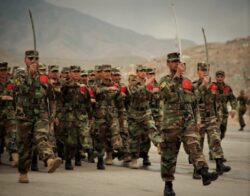 The most serious deficit of the Afghan National Security Forces…is its lack of motivation in comparison to the Taliban. One of the primary lessons unlearned from Vietnam, Iraq, and Afghanistan is that soldiers in the armies we create, train, and equip are simply not willing to fight and die for weak, corrupt, illegitimate governments.
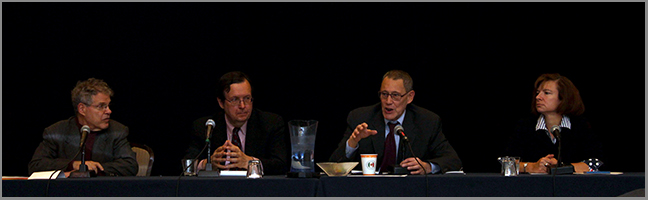
 Argues for a new balance among the various instruments of national power reflecting today’s strategic conditions. Taking a realistic view of security needs, the report advocates a military 20% smaller than today’s. It advances a “discriminate defense” strategy that would focus the military on cost-effective missions and save $550 billion more than official plans over the next decade.